| The application of liquid masterbatch in electronic products |
| Data:2026-02-09 11:28:11 | Visits: |
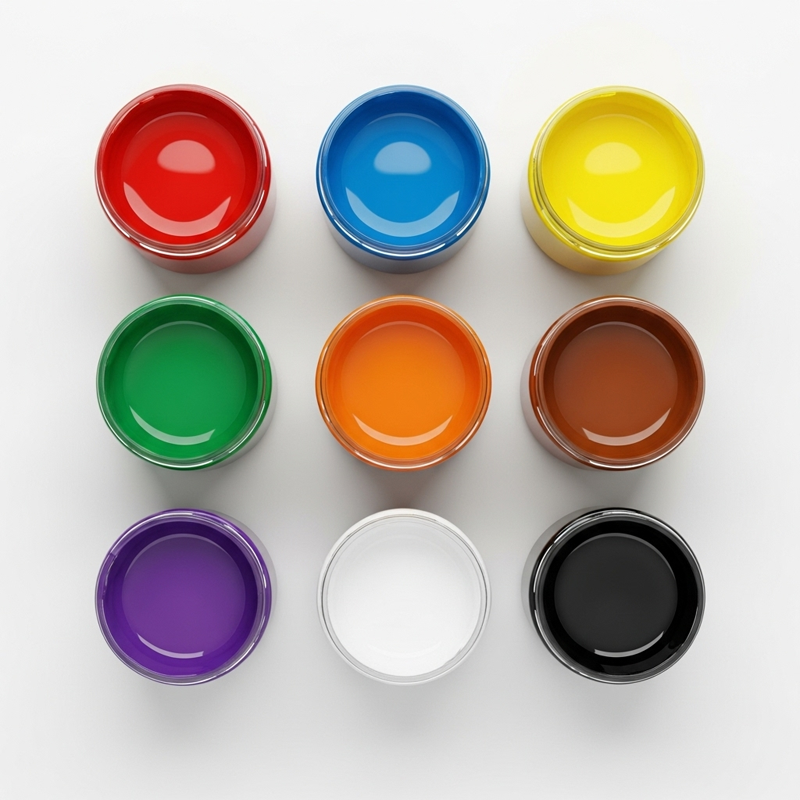
In many electronic and electrical products, we can see the application of liquid masterbatch. For instance, they are used in the outer shells and internal structural components. Compared with traditional solid colorants, liquid masterbatch have significant advantages in precision, consistency, efficiency and functionality, and are particularly suitable for the high standards required by this industry.
1. Precise color control The liquid color masterbatch is automatically added by a metering pump, achieving continuous and precise control. The color difference can be stabilized within an extremely small range, ensuring that the colors of each batch are highly consistent. This avoids the problems such as color differences, color spots and uneven particle distribution that may occur in traditional color masterbatches.
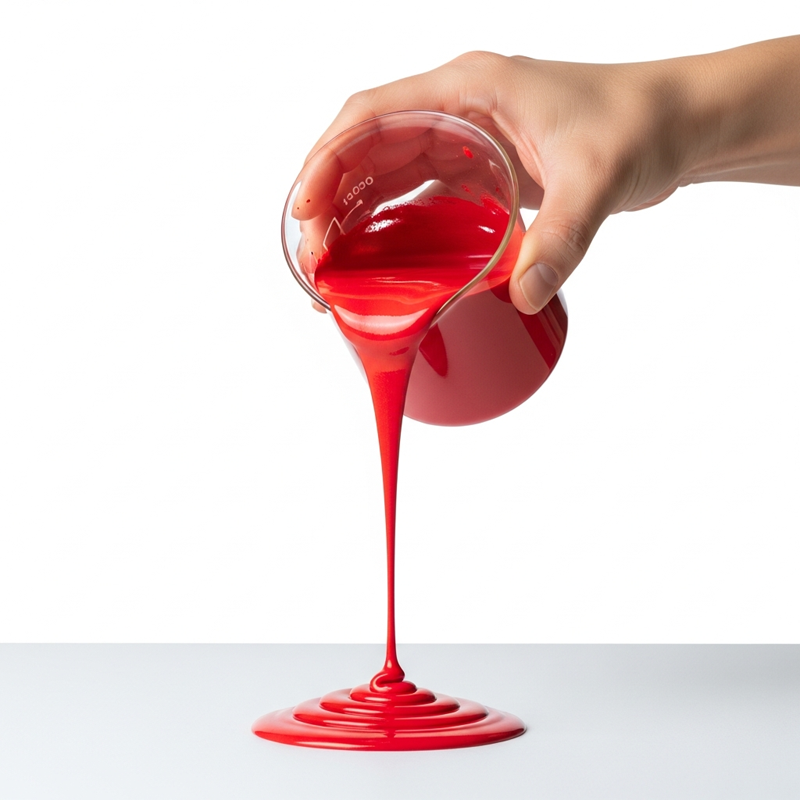
The liquid form of the color masterbatch allows for uniform dispersion without the need for a solid melting process. It spreads rapidly like ink dropped into water, thereby reducing the occurrence of coloring flaws such as streaks and color spots.
Liquid masterbatch can be directly injected into the injection molding machine or the screw of the extruder without the need for drying treatment. This simplifies the process, saves energy and time, and makes color change and cleaning much quicker. It is also very friendly for small batch production.
Traditional pigment powder generates certain dust during the loading and production process, causing environmental pollution in the workshop. However, liquid masterbatch avoids this problem, improving the workshop environment and eliminating potential health risks for workers.
Liquid masterbatch can be combined with functional additives, such as UV inhibitors and high light-blocking agents, to form an integrated functional masterbatch. This enables "coloring + functionality" to be added in one step, making the system more stable.
1.Smart devices & home appliance casings Provide rich and uniform colors, capable of achieving high gloss, matte and other effects, suitable for high-end appearance.
Compared with the need for heating and melting of color masterbatches, the low-temperature treatment method of liquid color masterbatch has a smaller impact on the hardness and toughness of plastic materials. It can ensure the stability of internal components and avoid serious problems such as deformation and cracking.
In materials such as PET, it is possible to achieve coloring while maintaining high transparency, without affecting the light transmittance and imaging quality.
How to Select Liquid masterbatch for Electronic Products
1.Strict compliance It is essential to ensure that the color masterbatch formula complies with the regulations restricting harmful substances such as those stipulated by RoHS and REACH, as well as the relevant food contact standards.
It needs to be compatible with common plastics used in the electronics industry such as PC, ABS, PET, and PA, and should not decompose easily during high-temperature processing.
Prioritize choosing suppliers who have extensive experience and test reports in the field of liquid masterbatch, as they can provide solutions that better meet industry requirements.
The application trend of liquid color in electronic products
1. Highly integrated functions In the future, liquid color will not only serve as pigments, but also need to be integrated with functional additives. Through a single addition, they can simultaneously achieve both aesthetic appeal and performance enhancement.
Precision electronic components are mostly produced in small batches. The rapid color change and precise measurement advantages of liquid color can perfectly meet the production needs of electronic products, significantly reducing downtime and material waste.
|
| Prev:The application of liquid masterbatch in plastic packaging Next:The combination of liquid color and functional additives |