| How can a plastic factory reduce the rate of poor color quality? |
| Data:2026-01-26 13:13:45 | Visits: |
| Color differences, color spots, color bleeding, and inconsistent colors among different batches - these issues may not be immediately apparent during the proofing stage. However, once production begins, they tend to recur frequently and gradually increase the overall defect rate. Many factories try to improve the situation by repeatedly adjusting the machines and adjusting the addition amounts, but the results are often limited. What really matters is whether the coloring material system itself is stable.
In an increasing number of application scenarios, liquid color are used as one of the important means to reduce the rate of color defects.
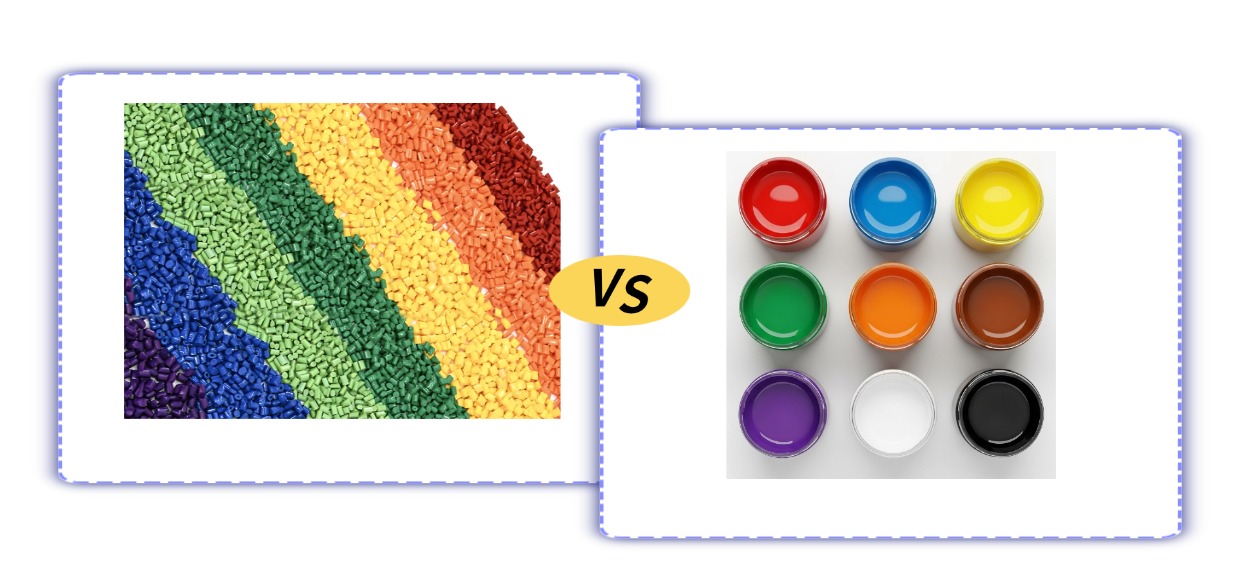
Traditional color masterbatch require re-melting and dispersion during the processing stage, and this process is greatly influenced by shear force, temperature and residence time. The liquid color have already undergone pigment pre-dispersal during the production process. Once they enter the resin melt, they are more likely to form a uniform system. The initial problems have been resolved: ·The color formation process is more controllable ·The reliance on equipment cutting capacity is lower ·The risks associated with dispersion have been reduced
After many factories switched to liquid color, the color issues have significantly decreased.
How can liquid color reduce color defects?
Liquid color do not exist in the form of "dry powder" or "agglomerated particles", but are encapsulated within a liquid carrier. This makes it less likely for the pigment particles to re-adhere to each other, and they are easier to spread quickly when mixed with the resin. Therefore, it has more obvious advantages: · The probability of color spots occurring is lower · The surface color is more uniform · The difference in intensity of the color in different areas is reduced
When the color uniformity improves, the related defect rate will naturally decrease.
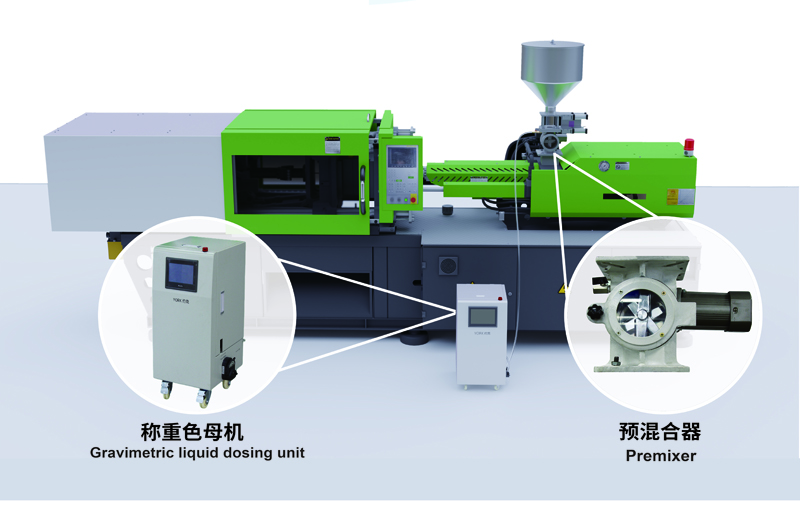
The stability of the pigment addition process will also have an impact on the coloring effect. During the feeding process of color masterbatch, it may be affected by factors such as discontinuous feeding and residual material accumulation. However, liquid color is usually added automatically by a metering pump, with relatively stable and continuous flow, and the concentration change is relatively smooth. In some products where color consistency is of high importance, such differences will directly manifest in the level of color variation.
If the factory has the following situations: ·There are many color spots and color blemishes.·There is a significant color variation between batches. ·High-end customers have strict requirements for color. Then, evaluating the liquid color masterbatch scheme from the perspective of the coloring system usually has practical value.
When the process of color formation becomes controllable, color-related issues will no longer be a frequent source of defects. |
| Prev:Top 5 Liquid Color Masterbatch Manufacturers in China (Industry Analysis) Next:From Exhibition to Innovation: Our Journey at RUPLASTICA 2026 |